
UV light fixtures that clean air: how a UV-C fixture differs from every other UV product
Search for a UV light fixture and you will get in-duct emitters, upper-room UVGI, mobile robots, and air-cleaning troffers on the same results page. They solve different problems, install differently, and carry different safety requirements. This is the comparison we wish existed when facility teams start looking.
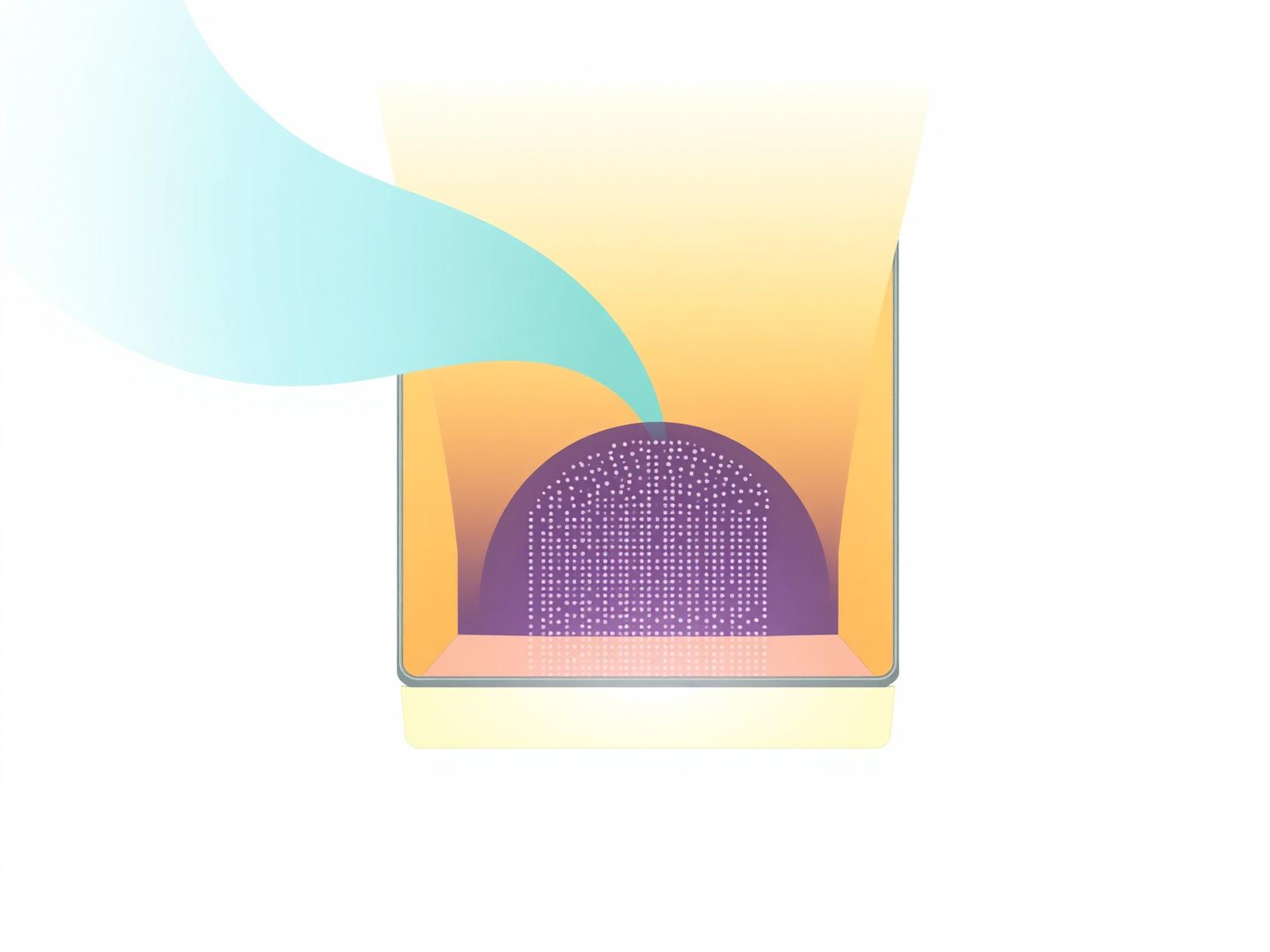
The four categories
Sorting products by where the UV-C sits explains almost everything about how they behave.
- Sealed-chamber fixture: UV-C enclosed inside the light housing; air is pulled through; occupied-room safe; retrofits the existing grid
- Upper-room UVGI: an open UV field above head height; needs careful aiming, shielding, and commissioning; depends on room air mixing
- In-duct UV: treats only air moving through the air handler; nothing happens to air that recirculates within a room
- Mobile UV robot: high-intensity surface treatment in an empty room, on a staff-driven cycle
Why in-duct UV alone leaves a gap
In-duct systems are useful, but they only act on the fraction of room air that reaches the air handler. Between HVAC cycles — which is most of the time in most rooms — the air people are breathing has not been anywhere near the UV. That gap is precisely where a room-level fixture operates.
Where LEDs changed the equation
Older germicidal systems used mercury vapor lamps: effective, but consumables with a service life measured in months and a disposal requirement. Solid-state 275 nm UV-C LEDs run for years, switch instantly, tolerate cycling, and are small enough to line a compact chamber inside a standard fixture housing.
That is what makes a light that also cleans air practical: it fits the same 2x4 or 2x2 opening as the troffer already in the ceiling, on the same circuit.
Questions to ask any UV fixture vendor
The answers separate a specifiable product from a marketing claim.
- Is the UV-C source fully enclosed, and can the system run with occupants present?
- What airflow does the fixture move, and what air changes per hour does that give in my room size?
- What is the rated life of the UV-C source, and is there a consumable?
- How do I know it is still working — is there a maintenance indicator?
- Does it drop into my existing ceiling grid, or is construction required?
Key takeaways
- "UV fixture" spans four product classes with different safety and coverage profiles.
- In-duct UV misses the air recirculating inside a room between HVAC cycles.
- UV-C LEDs replaced mercury lamps' months-long consumable cycle with multi-year life.
- Ask about enclosure, airflow, ACH in your room size, source life, and service indication.
UV-C Science & Safety Explainer
A one-page explainer on 275 nm germicidal UV-C, sealed-chamber safety, and how air-cleaning fixtures compare with HEPA and UV robots.
- What 275 nm UV-C does to airborne viruses, bacteria, and spores
- Why a sealed chamber is safe in an occupied room
- Air changes per hour explained in plain language
- Comparison table: UV-C fixtures vs. HEPA vs. UV robots vs. upper-room UVGI
Frequently asked questions
What is a UV-C air cleaning light fixture?
It is a standard-sized LED light fixture with a sealed internal chamber of 275 nm UV-C LEDs. Quiet fans draw room air through the chamber, the UV-C inactivates airborne viruses, bacteria, mold, and fungal spores, and clean air returns to the room while the fixture also provides normal downlighting.
Is a UV fixture better than an in-duct UV system?
They cover different air. In-duct UV only treats air that reaches the air handler; a room-level sealed-chamber fixture treats the air recirculating in the room continuously. Many buildings benefit from both.
Do UV-C fixtures need bulb replacements?
Not in an LED system. Solid-state 275 nm UV-C LEDs are rated in years rather than months, there is no mercury lamp to dispose of, and a maintenance-indicator light signals when service is actually due.