
Does UV-C light kill COVID? What a sealed-chamber fixture actually does to airborne virus
"Does UV-C kill COVID?" is the question that brings most facility managers to this technology. The short answer is that UV-C in the germicidal range inactivates airborne coronavirus so it can no longer infect cells — but the useful answer depends entirely on where the UV-C is and what air actually passes through it.
What "kill" means for a virus
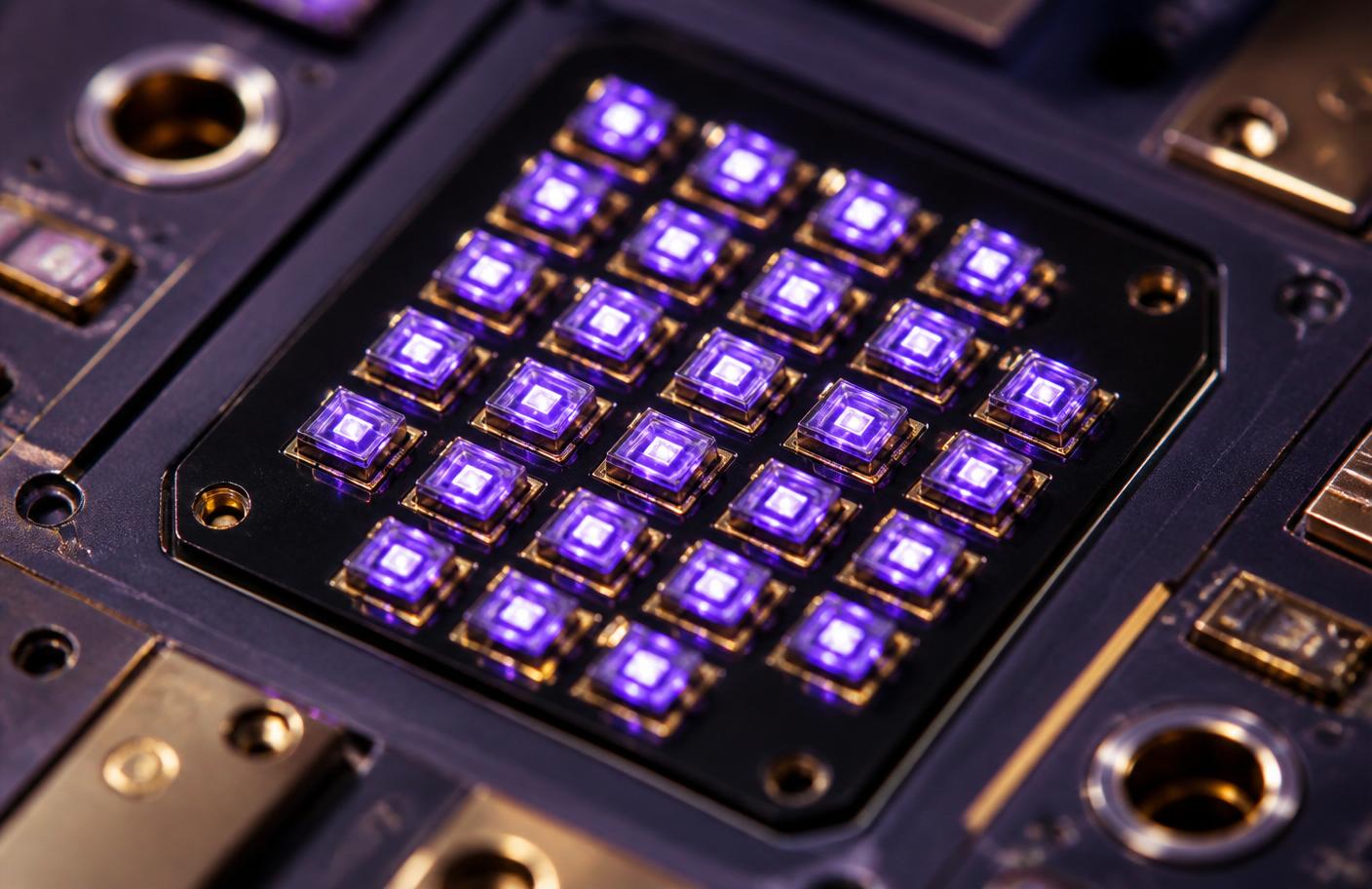
A virus is not alive in the way a bacterium is, so researchers use the word inactivation. UV-C photons in the 275 nm range are absorbed by the nucleic acids in a pathogen and break the bonds that let it copy itself. A virus that cannot replicate cannot cause an infection, which is the practical outcome anyone cares about.
The same mechanism applies across pathogen classes — airborne viruses including SARS-CoV-2 and influenza, bacteria, mold, and fungal spores — though the dose required differs by organism, with hardy fungal spores needing the most.
Dose is the whole ballgame
Inactivation is a function of intensity multiplied by exposure time. That is why the geometry of the system matters far more than the label on the box: a UV source pointed at a large open room delivers a tiny dose to any given parcel of air, while the same source inside a narrow sealed chamber delivers a large dose to every parcel of air that passes through it.
Sealed-chamber fixtures use that second geometry. Fans draw room air into an enclosed channel lined with UV-C LEDs, hold it in the beam path, and return the treated air to the room. Nothing depends on where an occupant happens to be standing.
Why enclosure is what makes continuous operation possible
Direct UV-C exposure is genuinely hazardous to skin and eyes, which is exactly why occupied-space systems enclose the source. In a sealed-chamber fixture no germicidal light leaves the housing — only air does — so the system runs 24/7 with the room in use.
That is the key difference from mobile UV disinfection robots, which irradiate an empty room for a timed cycle and must be removed before anyone re-enters.
What UV-C air treatment does not do
Being precise here is what makes the claim credible.
- It does not replace ventilation, masking policy, or vaccination — it adds continuous air treatment on top of them
- It does not disinfect surfaces; airborne pathogens are the target
- It does not act on air that never enters the chamber, which is why fixture count and placement matter
- It does not produce a measured infection-rate reduction you can quote without measuring your own facility
Key takeaways
- UV-C at 275 nm inactivates airborne coronavirus by damaging its nucleic acids.
- Dose — intensity times time — is what determines effectiveness, so chamber geometry matters.
- A sealed chamber makes 24/7 operation in an occupied room possible.
- Air treatment supplements ventilation; it does not replace it or clean surfaces.
UV-C Science & Safety Explainer
A one-page explainer on 275 nm germicidal UV-C, sealed-chamber safety, and how air-cleaning fixtures compare with HEPA and UV robots.
- What 275 nm UV-C does to airborne viruses, bacteria, and spores
- Why a sealed chamber is safe in an occupied room
- Air changes per hour explained in plain language
- Comparison table: UV-C fixtures vs. HEPA vs. UV robots vs. upper-room UVGI
Frequently asked questions
Does UV-C light kill COVID-19?
UV-C in the 275 nm germicidal range inactivates airborne coronavirus by damaging its RNA so it can no longer replicate or infect cells. In a sealed-chamber fixture that happens to the air drawn through the chamber, continuously, while the room stays occupied.
Is UV-C dangerous to people?
Direct UV-C exposure is hazardous to skin and eyes, which is why occupied-space systems fully enclose the source. In these fixtures the LEDs sit inside a sealed internal chamber and no germicidal light exits the housing.
How fast does it work?
Inactivation happens as air transits the chamber. At the room level, fixtures are designed for 4-6 air changes per hour, which turns over a typical room's full air volume every 10-15 minutes, continuously.